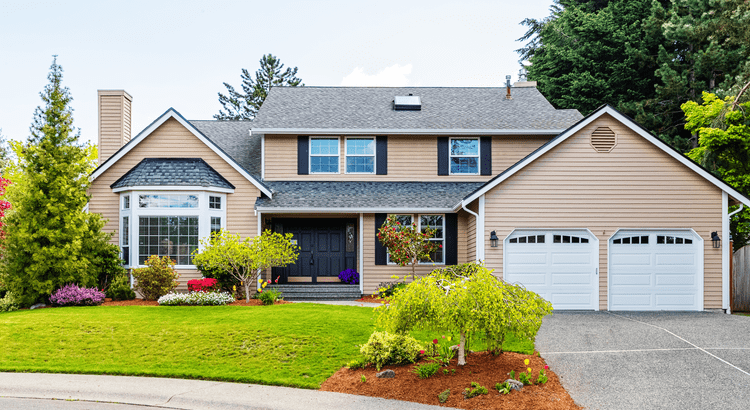
With the housing bubble burst and the subprime mortgage crisis, millions of homeowners found themselves unable to make their mortgage payments. Many found themselves owing more on the house than the home was worth. Many just walked away from their homes. As a result of these complicated issues, millions of homes were foreclosed.
While this isn’t the only reason for which homes are foreclosed, it has been a widespread one. With all the foreclosed properties, there has also been extensive interest in buying these properties at a bargain price.
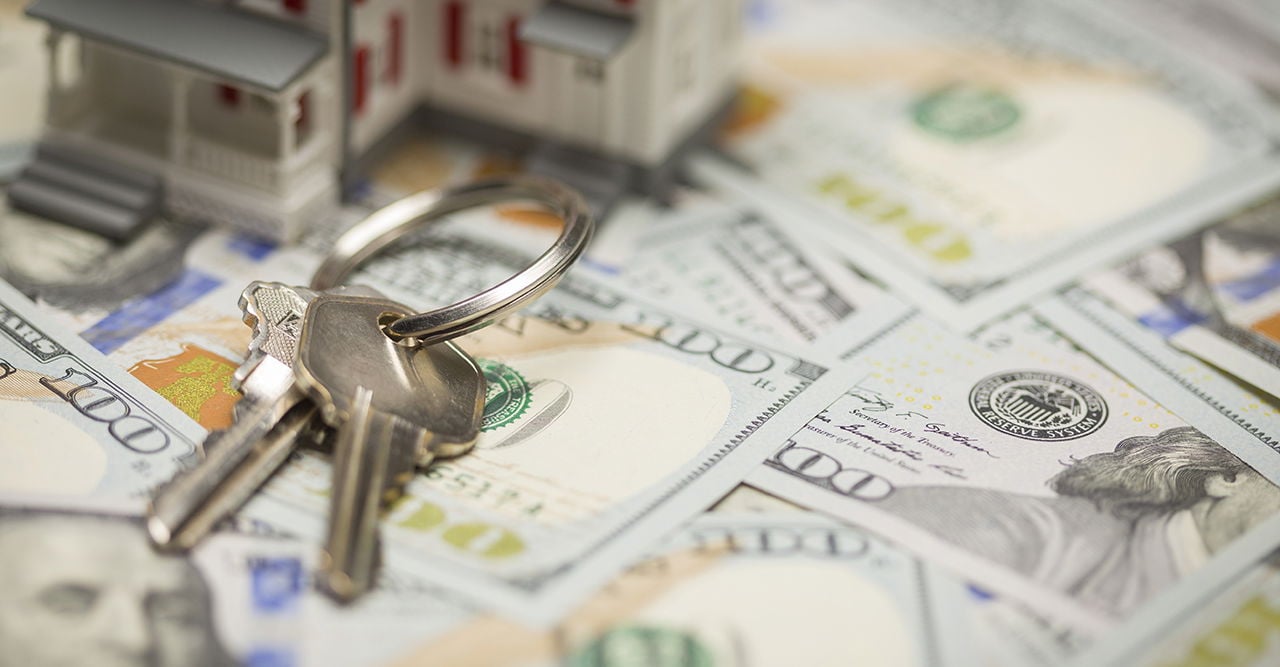
It is true that foreclosed properties can be priced at a significant discount, but they are also a much riskier investment. Before making an offer on a foreclosed property, do your due diligence.
Things you must do before buying a foreclosure:
- Do a title search - make sure that when you purchase a foreclosure that you are the only person who has any ownership claim
- Check for liens - find out if there are any liens against the property because you will be responsible for paying them
- Check for a second mortgage - you don’t want to be surprised by an extra mortgage that you will need to pay
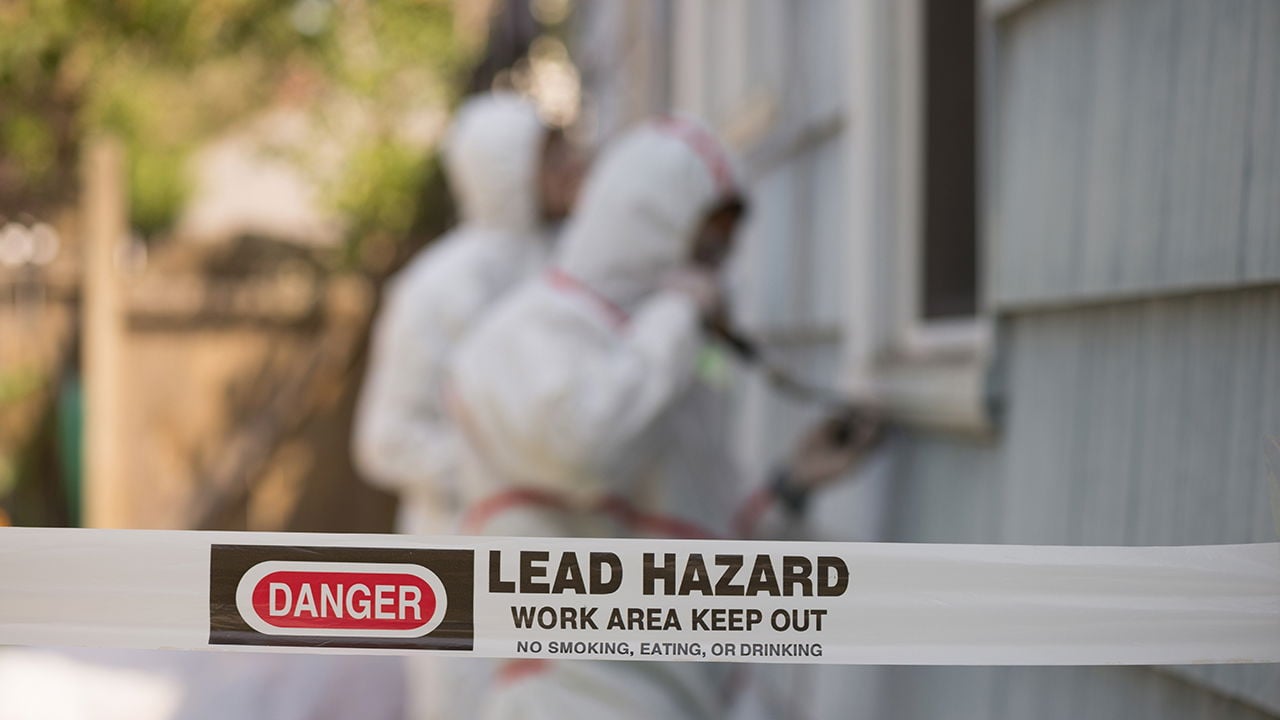
- Know how good of a “bargain” you’re getting - foreclosures are sold “as is” and in many cases you will not be able to do a proper inspection. You may end up paying thousands of dollars repairing the property before it is fit to be lived in.
It is also important to consider that there are different types of foreclosure properties and each type comes with its own advantages and disadvantages. The different types of foreclosure purchases are:
1. Pre-foreclosure
2. Auction
3. Real Estate Owned (REO), also called “bank owned”
## Pre-Foreclosure
A pre-foreclosure is when you buy the home directly from the homeowner, before the bank officially forecloses. This type of purchase does not require as much capital as other foreclosures. Also, since you are purchasing straight from the homeowner, you will be able to gather all of the necessary information, such as inspection reports, title information, etc. that may not be available with other foreclosure properties. Once you take over the mortgage, you will be responsible for all future payments as well as any overdue back payments.
## Auction
A foreclosure property will usually end up at an auction. Real estate auction practices vary by state but common practice is for the auction to be held on courthouse steps, in front of the foreclosed home, or at the county clerk’s office.
Real estate auctions offer the best chance for a great deal but also hold the greatest risk. Auction properties are sold as is, with no opportunity for potential buyers to perform inspections. When buying a home at auction, the buyer must pay cash, usually a cashier’s check. It is also possible that there may still be tenants living in the home. In such a case, you would be responsible for the often costly eviction process.
## REO
Once a foreclosure has gone to auction and failed to sell, it becomes a Real Estate Owned, or bank owned, property. Most homes do not sell at auction, most fail to even get any bids.
An REO property is the least likely of the foreclosure properties to represent a bargain, but it is also the least risky. The property can be fully inspected, any title issues can be found and dealt with, and the sale can be subject to a mortgage. REO properties also tend to be in better condition than other foreclosure properties.
Another thing to keep in mind when purchasing a foreclosure is that some states have a redemption period that allows the original owner to buy back the property by paying the remaining balance owed. You may be able to have this redemption period waived, so check the state laws on this topic before purchasing.
Still interested in buying a foreclosure property? If so, always do your research before purchasing!